6 Days Queen Elizabeth Birding and Wildlife Habitats
About This 6-Day Safari
Focus on one of western Uganda’s most varied birding regions rather than covering a large national circuit. Following an arrival night in Entebbe, spend time around Queen Elizabeth’s plains, lakes and woodland, with a boat excursion on the Kazinga Channel. A visit to Ishasha adds southern-sector habitats and a change of landscape. The route is suitable for birders who also enjoy mammals and prefer several nights based in the same park region.
- Mweya peninsula birding
- Kazinga Channel waterbirds by boat
- Kasenyi plains and crater-area habitats
- Birding around the Kyambura region
- An Ishasha-sector excursion
- Optional Entebbe birding on the arrival day
Where You Will Go
The places this safari visits, in the order you will reach them.
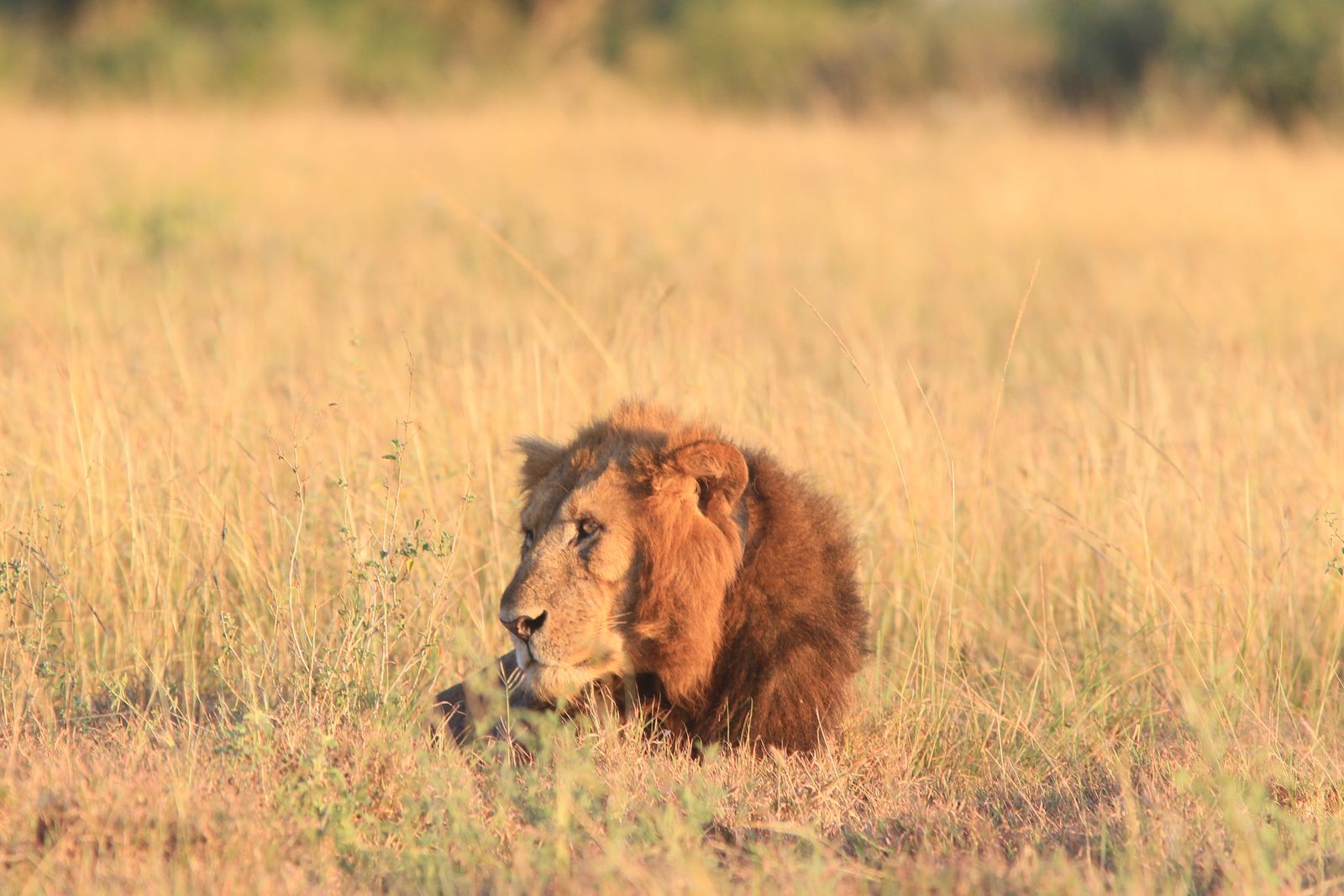
Savannah, crater lakes and the Kazinga Channel, with hippos, elephants and the tree-climbing lions of Ishasha.
Day By Day Itinerary
Every day is planned by our local team and can be adjusted to your pace.
Arrival and a first look at Entebbe’s birds
Meet your guide on arrival and travel to your accommodation in Entebbe. Discuss the species groups and habitats you would most like to explore. If the flight lands early, an optional botanical gardens walk provides an easy introduction. Otherwise, enjoy the hotel grounds and rest before tomorrow’s westward transfer.
Roadside birding towards Queen Elizabeth
Travel towards Queen Elizabeth after an early breakfast. Selected stops along the route allow you to observe birds in agricultural and roadside habitats. Take lunch on the way and pause at the Equator crossing if time allows. Reach your lodge with a realistic amount of daylight for settling in rather than expecting a full park session after the drive.
Mweya habitats and a Kazinga cruise
Explore the Mweya area in the morning, checking shrubs, tree cover and waterside edges. Work slowly with the guide to separate similar species by calls and behaviour. The afternoon boat excursion adds waterbirds on the Kazinga Channel. Mammals along the shoreline provide interest while you search the banks and open water.
Kasenyi plains and crater country
Spend the morning birding open habitats along the Kasenyi tracks. Grassland birds and raptors require a different search style from forest species. Later, explore agreed crater-area viewpoints and Kyambura-region habitats where access and timing permit. The programme remains a birding outing rather than an unbooked chimpanzee trek into the gorge.
Southern-sector birding in Ishasha
Leave early for the journey towards Ishasha, or begin locally if your accommodation has been arranged in the south. Birding stops focus on grassland, mature trees and riverine vegetation. Lions and other mammals may appear, but the day’s purpose is to explore the habitat and its birds. Return to the selected overnight base according to the confirmed driving plan.
Return transfer to Entebbe
Enjoy a brief local birding session only if it fits comfortably before departure. Drive back towards Entebbe with lunch and rest breaks en route. Your guide can help complete the checklist during suitable stops. End at the airport or an agreed hotel, with a late flight or extra night recommended after the road transfer.
Where You Will Stay
Lodges are subject to availability. If a lodge is full we replace it with one of an equal standard.
Boma Entebbe
Elephant Hab Lodge
Elephant Hab Lodge
Practical Planning
Things worth knowing before you book.
Ishasha is a substantial excursion from the northern park area; the overnight base and road schedule must be chosen accordingly.
Kyambura-area birding does not automatically include a chimpanzee trek.
The Equator and roadside stops should complement the transfer rather than leave the main birding sessions too short.
Best Time To Go
Dry seasons run from December to February and June to September: easiest trails and best game viewing. March to May and October to November are wetter, greener and quieter.
Frequently Asked Questions
What is included in the 6 Days Queen Elizabeth Birding and Wildlife Habitats?
The package includes Scheduled road transfers and guiding for the agreed itinerary; accommodation for the scheduled nights; meals shown in the confirmed meal plan; entry fees and scheduled core activities confirmed in the quotation; guided birding sessions and the scheduled boat excursions specified in the confirmed programme. It does not include international flights and any travel before or after the agreed programme; visa costs and personal travel insurance; tips, laundry, personal purchases and drinks not expressly included; optional activities, upgrades and additional nights; meals outside the confirmed meal plan.
Where does the 6 Days Queen Elizabeth Birding and Wildlife Habitats start and end?
The journey starts with your arrival at Entebbe International Airport and finishes with your transfer back to the airport for your departure flight.
Do I need a visa for Uganda?
Most visitors need a visa. Uganda, Kenya and Rwanda are covered by the East Africa Tourist Visa, which allows travel between all three on one visa. We will confirm exactly what applies to your passport when you book.
When is the best time to take this safari?
Dry seasons run from December to February and June to September: easiest trails and best game viewing. March to May and October to November are wetter, greener and quieter.
Can the itinerary be changed?
Yes. Every Giravex itinerary can be adjusted to your dates, pace, budget and interests. Tell us what you would like to change and a trip specialist will tailor it for you.
How do I book or get a quote?
Send a quote request or message us on WhatsApp. A trip specialist will reply with availability and a detailed quote for your group size and dates.
Ask About This Tour
Send your dates and group size and we will reply with availability and a quote within one business day.
Plan the 6 Days Queen Elizabeth Birding and Wildlife Habitats with Giravex
Tell us your dates and group size and we will send a detailed quote within one working day.