

The Great Migration is not an event with a start and finish line. It is a year-round loop in which well over a million wildebeest, together with zebra and gazelle, follow the rains and the fresh grass between Tanzania's Serengeti and Kenya's Masai Mara. The right month depends on what you want to see: newborn calves, dramatic river crossings, or open plains with very few other vehicles.
The migration in one paragraph
The herds spend the early months of the year on the southern plains of the Serengeti, move north-west through the central and western Serengeti in the middle of the year, cross into the Masai Mara in the second half of the year, and then drift back south as the short rains begin. Exact dates change every year with the rain, so think in seasons rather than fixed days.
Month by month
January to March: calving on the southern plains
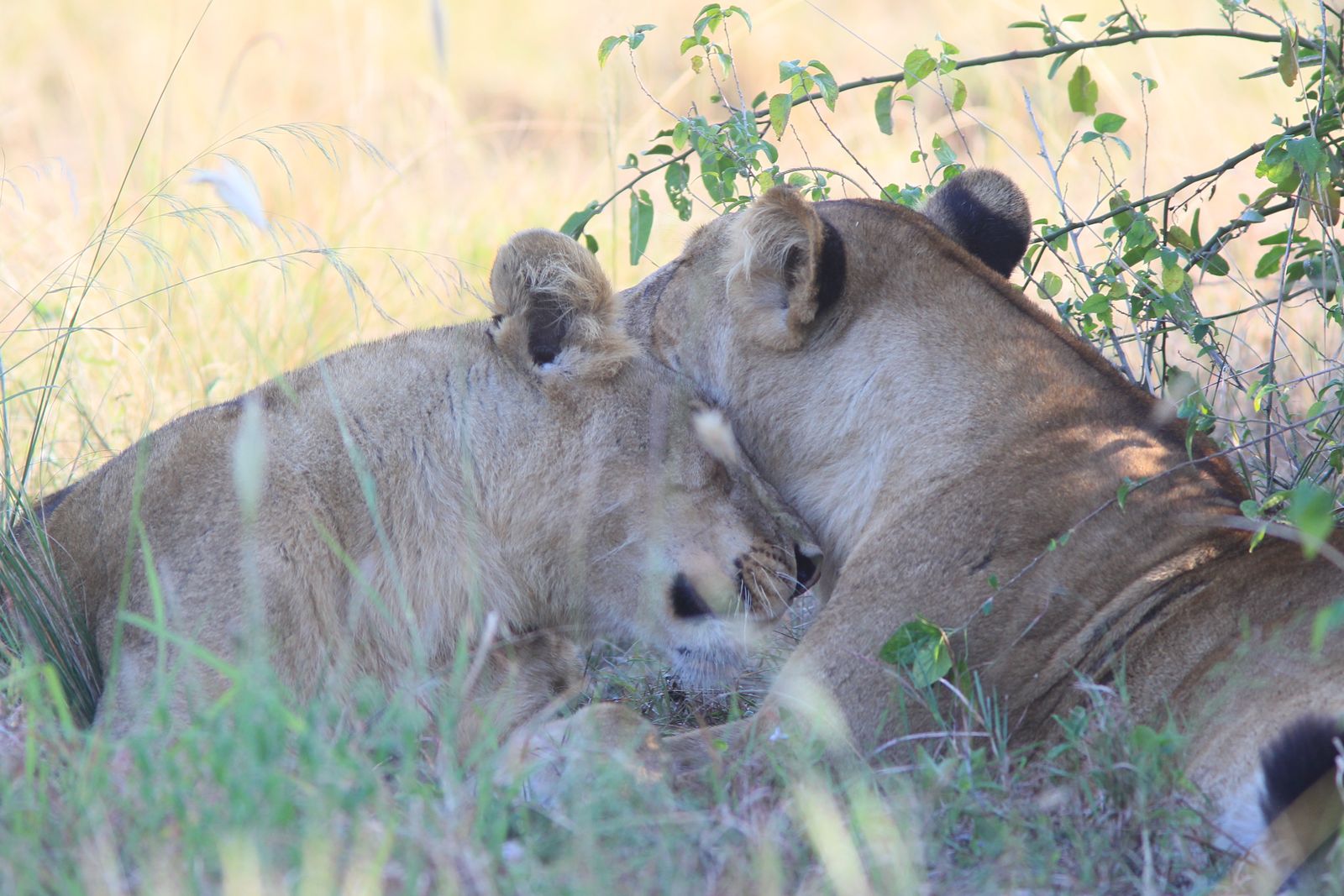
The herds gather on the short-grass plains of the southern Serengeti and the Ndutu area, and most calves are born within a few weeks of each other, usually in February. Predators follow the herds, so this is a strong season for lions, cheetahs and hyenas hunting newborns. The scenery is green and the crowds are smaller than in the high season.
April and May: the long rains
The herds move north and west through the central Serengeti. Rain showers are frequent, some roads are muddy and some camps close, but lodges often offer lower rates and you will share sightings with very few other vehicles. It is a good choice for photographers who like dramatic skies.
June and July: the western corridor and the first crossings
Herds move through the western Serengeti and may face the Grumeti River. Depending on the year, the first herds begin to reach the northern Serengeti and the Mara River towards the end of July.
August to October: the Mara River crossings
This is the classic season. Large herds gather on the banks of the Mara River and cross between the northern Serengeti and the Masai Mara, past waiting crocodiles. Crossings are unpredictable: they can happen several times in a day or not at all for days. The Masai Mara is busiest from late July to September, so book lodges and camps well ahead.
November and December: heading south
The short rains start and the herds drift back through the northern and central Serengeti towards the southern plains. It is a quieter and greener period, with good game viewing and lower prices.
Kenya or Tanzania?
- Masai Mara (Kenya): best from about July to October for river crossings. Compact, easy to combine with Nairobi, and well suited to shorter trips.
- Serengeti (Tanzania): the herds are present in some part of the park all year, so you can choose your season by what you want to see, such as calving in February or crossings in the north in August and September.
- Both: a journey that links the two parks gives you more chances to meet the herds, but needs more days and careful planning of borders and flights.
Tips for a better migration safari
- Book early for July to September. The best camps near the river fill many months ahead.
- Be flexible. The herds follow the rain, not a calendar. A few extra days in the right area raise your chances of a crossing, but no operator can promise one.
- Choose a camp for its position, not only its comfort. Being close to the river saves hours of driving.
- Pack for early mornings and dust. Layers, a hat, binoculars and a camera with a long lens are all worth the space.
- Consider a balloon flight in the Mara or the Serengeti. It is a memorable way to see the herds from above.
Combining the migration with Uganda
Many guests pair a few days with the herds with gorilla trekking in Uganda. Doing the gorillas first and the plains after is a good rhythm: the trek is demanding, and the open savannah is a gentle finish. We can arrange the flights and transfers between the two so that you only deal with one plan.
Common questions
Can you guarantee a river crossing?
No. Crossings depend on the herds and the weather. What we can do is place you in the right area at the right time of year and give you enough days to improve your chances.
Is the migration worth it in the wetter months?
Yes, if you value green scenery, newborn animals and fewer vehicles over river drama. Many travellers prefer the calving season for exactly those reasons.
How many days do I need?
Three to five nights in one park is a good minimum. If your priority is a river crossing, plan more days in the Mara or the northern Serengeti.
Ready To Plan Your Trip?
Tell us your dates and interests and a trip specialist will reply within one business day.
Plan My Trip